





Global Power Play: Unpacking Small Nations’ Influence Through a Venezuelan Lens

This situation has never revolved around drugs.
This issue has never been about morality.
The core of the matter has always been oil.

Venezuela is home to one of the largest oil reserves globally, and history reveals this harsh reality: wherever oil is found, power emerges, and humanity bears the consequences. When the United States tightens its control or intervenes, it cloaks its actions in the guise of democracy and security. However, beneath this facade lies a familiar greed. Empires do not merely invade territories; they seize resources. Within Venezuela, years of economic decline, sanctions, and political oppression have driven the populace to despair. When a figure like Nicolás Maduro is labeled a dictator, and when narratives celebrating his potential downfall or capture gain traction, it signifies something more profound. It is not an affection for foreign intervention, but rather a sense of fatigue. People do not celebrate because imperial power is benevolent, but because the pain they endure makes even perilous hope seem like a form of relief.
And this is where the world must PAUSE.
Because replacing one form of authoritarianism with external domination does not restore dignity. It only changes who controls the suffering.
As Nepal, this feels uncomfortably close.
We too are small.
We too are strategically located.
And we too sit on something powerful.
After oil, the next wars will not be fought only with bombs; they will be fought over WATER. Nepal holds one of the richest water resources in the world. As emerging technologies, climate stress, data centers, and energy demands explode globally, WATER IS BECOMING THE NEW OIL.
After oil, the next global struggle will be for water. Nepal, with one of the richest water resources in the world, is not invisible. As climate change deepens and emerging technologies consume water at unprecedented levels, rivers will no longer be seen as lifelines, they will be seen as ASSETS.
Now imagine this:
Leaders with little diplomacy, little geopolitical understanding, and no sense of consequence, leaders who casually write provocative statements about powerful nations just because they can. Not strategy. Not principle. Just impulse.
When figures like Balen, very popular, disruptive, but diplomatically inexperienced as his actions have reflected, speak irresponsibly on global power structures, it is not them who will face sanctions, pressure, or retaliation.
Every word written on social media or spoken out loud casually today, especially against powerful nations, do not disappear. They are archived, remembered, and used when leverage is needed.
Loud defiance may win applause at home, but small countries do not survive global politics on emotion alone. It will be children, workers, students, farmers, schools, hospitals, migrants, and each and every one of us.
Replacing one form of authoritarianism with external control does not restore dignity; it merely shifts who inflicts the suffering. As a nation, Nepal finds this sentiment uncomfortably relatable. We are also small. We are also strategically positioned. And we too possess something immensely valuable. Following oil, the upcoming conflicts will not solely be waged with bombs; they will revolve around WATER. Nepal is home to some of the richest water resources globally. With the rise of new technologies, climate pressures, data centers, and soaring energy needs, WATER IS BECOMING THE NEW OIL. The next global conflict will center on water, and Nepal, with its abundant water resources, cannot be overlooked. As climate change intensifies and new technologies demand water at unprecedented rates, rivers will transition from being viewed as lifelines to being regarded as ASSETS. Now, envision this: Leaders lacking in diplomacy, geopolitical insight, and an understanding of consequences, who casually issue provocative remarks about powerful nations simply because they can. There is no strategy, no principle—only impulse. When figures like Balen, who is popular, disruptive, and passionate about the nation but lacks diplomatic experience as evidenced by his actions, make irresponsible comments regarding global power dynamics, it is not they who will bear the brunt of sanctions, pressure, or retaliation. Every word shared on social media or spoken aloud today, particularly against powerful nations, does not vanish. They are recorded, remembered, and utilized when leverage is required. While loud defiance may garner applause domestically, small nations cannot navigate global politics based solely on emotion. It will be the children, workers, students, farmers, schools, hospitals, migrants, and each and every one of us who will bear the consequences.
This is not bravery. This is recklessness. This is the reason why diplomacy is more significant than popularity. A nation cannot thrive in global politics based on ego and social media accolades. We are ill-equipped for leadership that is driven by impulse instead of diplomacy. We are NOT READY FOR A DIRECTLY ELECTED PRIME MINISTER, not due to the inability of the people to choose, but because our institutions remain too fragile to check individuals once power is centralized. In a tumultuous geopolitical landscape, a personality without discipline becomes a liability. Nations like ours cannot afford leaders who confuse outrage with strength or social media influence with statecraft. Venezuela illustrates the consequences of internal weakness meeting external desires. Gaza, Ukraine, Sudan, and Syria all remind us that global ethics bend where power dictates. Moreover, democracy lacking institutional maturity does not empower; it exposes. Venezuela imparts this lesson: Power does not pardon defiance from the weak; it takes advantage of it. Nepal, this lesson should disturb us. We have already witnessed how close we came. When Gen Z protests erupted across the nation, when the streets were filled with anger, confusion, and genuine frustration, Nepal was left vulnerable. There was no clear protector of the state: no consistent diplomatic voice, no reassuring political center, no stabilizing authority. Had external pressures emerged at that moment, had powerful interests opted to intervene, Nepal would not have been ready to defend itself. We were on the brink. This is where nuance is crucial in leadership. Words that are spoken lightly today can become leverage tomorrow. Social media applause may seem like strength, but diplomacy requires restraint, foresight, and silence at the appropriate moments. A nation cannot survive on bravado when it lacks bargaining power. And we must look forward. In such a world, leadership is not about popularity; it is about safeguarding. Not about loud defiance, but about quiet wisdom. Quiet, not reckless. Grounded, not impulsive. Nations like ours cannot afford leaders who confuse symbolism with strategy.
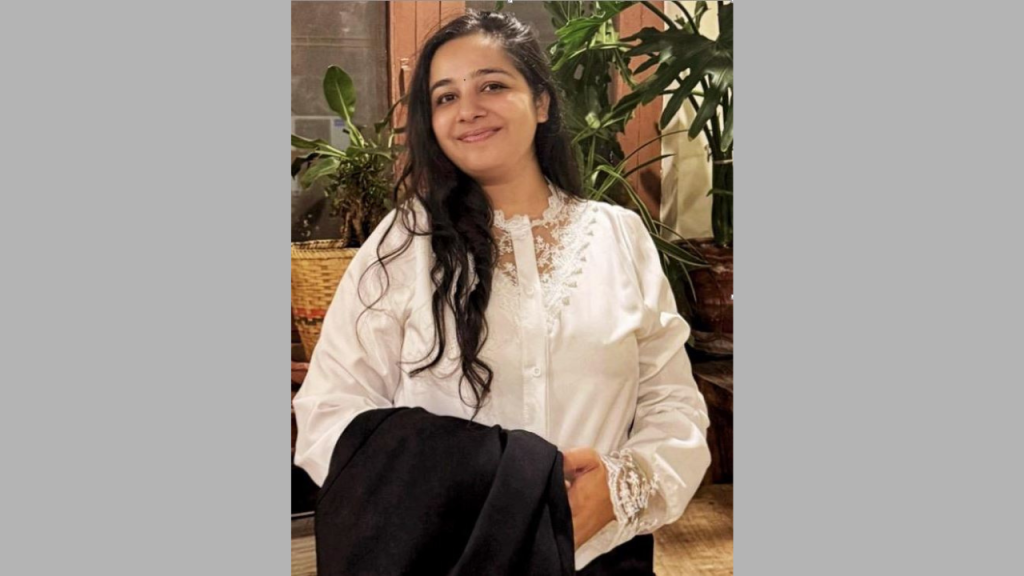
Gyawali is an advocate and social science researcher






 अमेरिकालाई पठाइएको इरानको नयाँ प्रस्तावमा के छ ?
 खारेज भयो निजामती कर्मचारीको ट्रेड युनियन
 लिपुलेक हुँदै कैलाश मानसरोवर यात्राको विरोधमा सरकारले पठायो भारत–चीनलाई पत्र
 अमेरिकालाई ‘सम्झौता वा युद्ध’ एक रोज्न इरानको चेतावनी
 ‘होल्डिङ सेन्टर’का बालबालिकालाई निःशुल्क शिक्षा उपलब्ध गराउन आग्रह
 सुकुमवासीलाई चैत मसान्तभित्र व्यवस्थित बासस्थान उपलब्ध गराउन सरकारलाई रास्वपाको आग्रह
 राष्ट्रपतिद्वारा सम्पत्ति शुद्धीकरण अध्यादेश जारी
 आज वैशाख शुक्ल पूर्णिमा: बुद्ध जयन्ती मनाइँदै
 सुनचाँदीको मूल्य वृद्धि, आजको कारोबारको मूल्य कति ?
 सशस्त्र प्रहरी महानिरीक्षक अर्यालको फौजी परम्पराअनुसार बिदाइ
प्रतिक्रिया