





National Consultation Ahead of FfD4 Calls for Reform of the International Financial Architecture

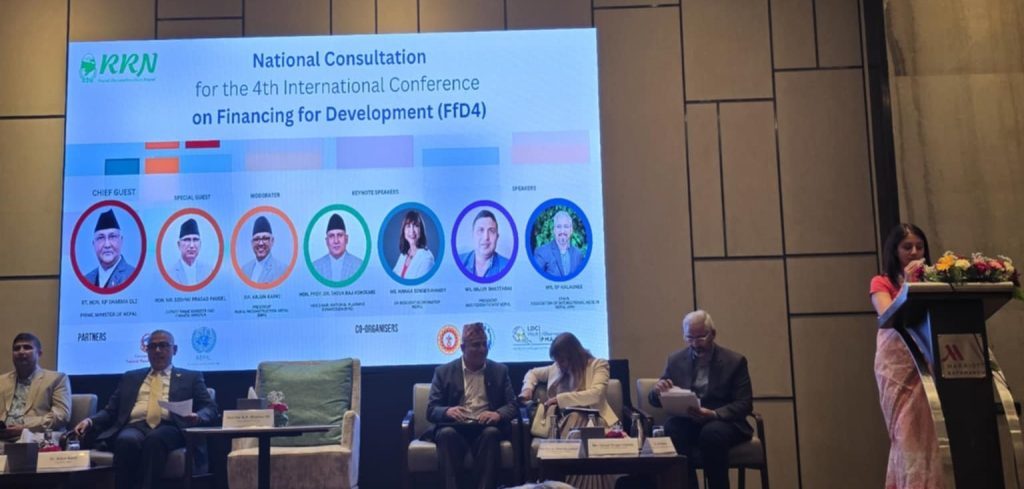
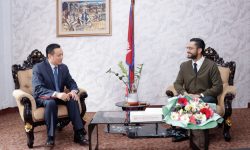
Kathmandu. Nepal convened a high-level National Consultation on Financing for Development: Nepal’s Role and Priorities in the FfD4 on 24 June 2025 in Kathmandu. Organised by the Center for Democracy, Development and Diplomacy of Rural Reconstruction Nepal (RRN) in partnership with the National Planning Commission (NPC) and United Nations in Nepal, the Consultation was co-organised by NGO Federation of Nepal (NFN), South Asia Alliance for Poverty Eradication (SAAPE), and LDC Watch.

The event brought together cabinet ministers, members of parliament, former finance ministers, women leaders, development partners, economists, civil society representatives, and trade unionists to deliberate on Nepal’s priorities for the upcoming Fourth International Conference on Financing for Development (FfD4), to be held in Seville from 30 June to 3 July 2025.
The opening session featured remarks from Prof. Dr. Shivaraj Adhikari, Vice Chairperson of the National Planning Commission, Hanaa Singer-Hamdy, UN Resident Coordinator in Nepal, Arjun Bhattarai, President of the NGO Federation of Nepal and Chair of the Association of INGOs in Nepal, Dr SP
Kalaunee.
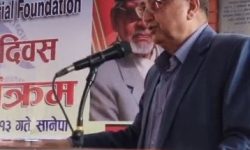
Keynote speaker Dr. Shivaraj Adhikari emphasized that a one-size-fits-all financial model fails to capture the diverse realities of developing nations. He called for rethinking global systems to prioritize human development over debt servicing, ensuring globalization becomes a shared opportunity—fueled by fair and responsive mechanisms, not a source of disparity.
“Nepal’s voice must reflect the lived realities of the Global South. Financing development is not a favour, but a matter of justice,” said Hanaa Singer-Hamdy. “As multilateralism is reshaped, we must act as architects of a new financial framework—The Compromiso de Sevilla is our collective response rooted in resolve.”
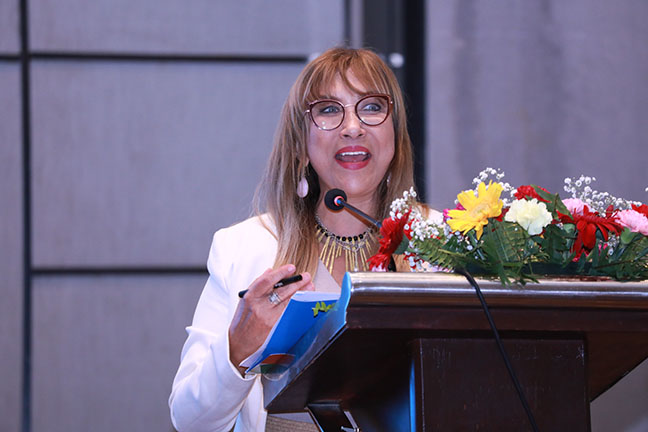
The subsequent high-level panel explored ground-level realities and proposed pathways for sustainable and inclusive fiscal policy. Speakers included Binod Shrestha (GEFONT), Dr. Dilli Raj Khanal (Senior
Economist), Tripti Rai (OXFAM in Nepal), and Ruby Karki (Centre for Democracy, Development and Diplomacy).
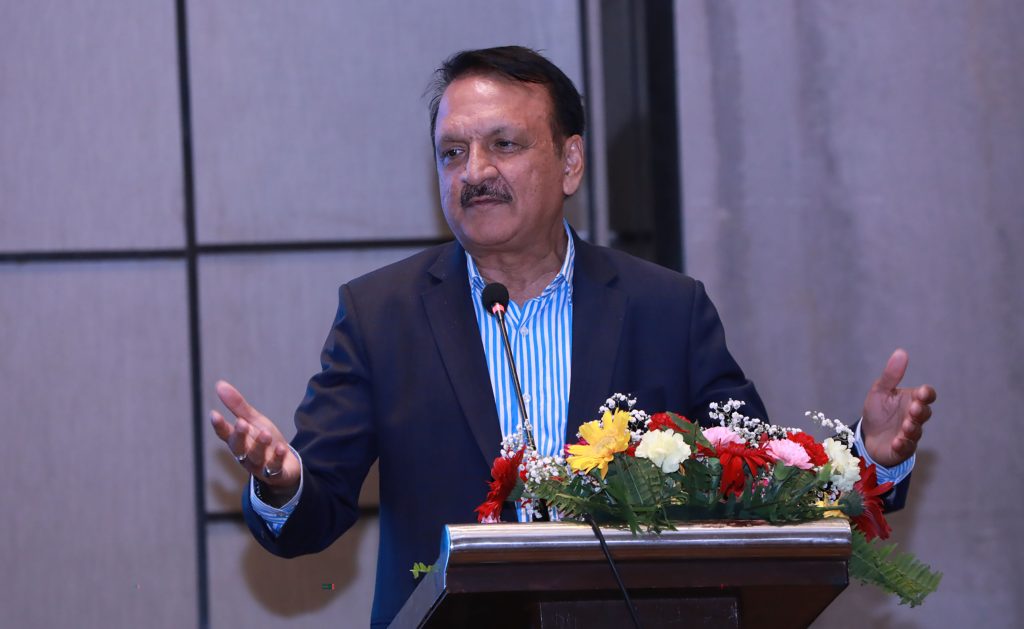
Participants called for immediate action to meet the long-standing 0.7 per cent ODA-to-GNI target, with 0.15-0.20 per cent allocated specifically to Least Developed Countries (LDCs). They further voiced strong concerns about the document’s failure to mandate a UN Framework Convention on Sovereign Debt, its ambivalent support for the UN Tax Convention, and lack of clarity over the shift towards private capital and blended finance as substitutes for public commitments.
A consistent theme throughout the consultation was the demand to strengthen UN-led processes, particularly for international tax cooperation and sovereign debt resolution – issues that remain inadequately addressed by the draft FfD4 outcome document, the “Compromiso de Sevilla.”
The event concluded with a unified call for the Global North to meet its moral and historical responsibilities: reversing aid cuts, delivering climate finance at scale and speed, cancelling illegitimate and unsustainable debt, and democratizing the governance of international financial architecture.
“The current global financial architecture continues to prioritise creditor interests over people’s rights. Nepal and the Global South must unite to reclaim development justice,” said Arjun Karki, President of RRN, in the concluding session.
The Consultation holds special relevance with Nepal holding key global leadership roles, including co-
chairing the FfD4 Preparatory Committee alongside Mexico, Norway, and Zambia. As a current ECOSOC member (2024–2026), Nepal has committed to aligning global policy frameworks to advance the SDGs. It also chairs the Global Coordination Bureau of LDCs (2023–2026), coinciding with its planned graduation from LDC status by the end of 2026.
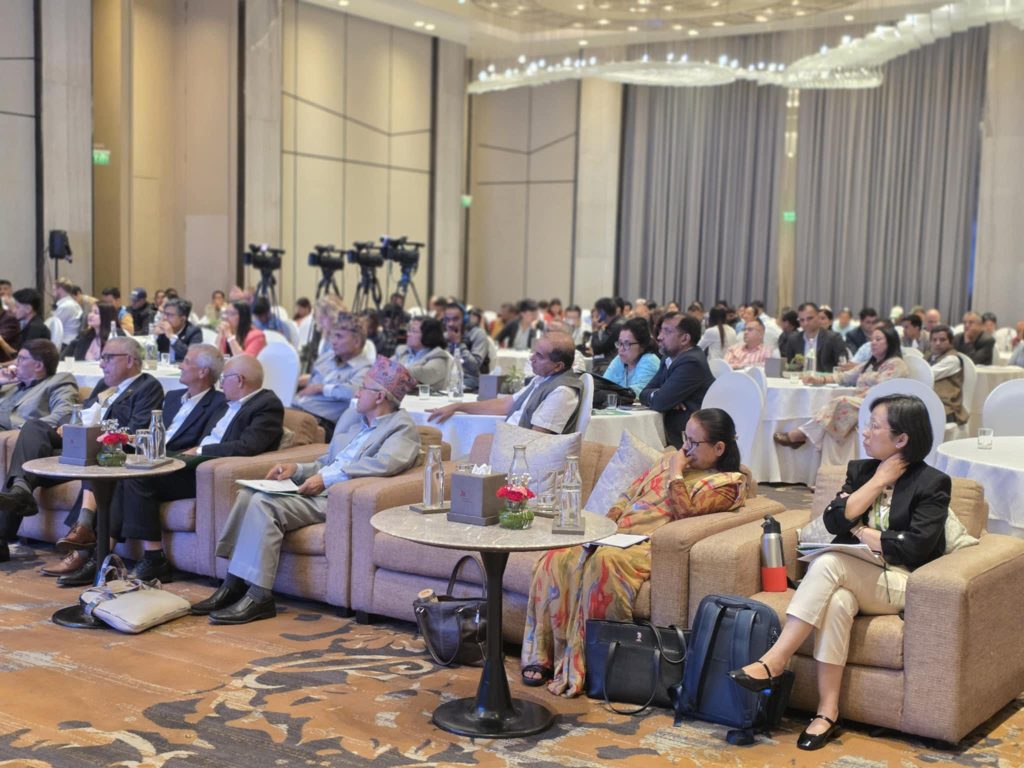
As Nepal heads to Seville, the messages from Kathmandu are clear: global development financing must shift from charity to justice, from conditionality to solidarity, and from market-led to rights-based approaches. The FfD4 process must deliver not another compromise – but real transformation.





 यस्तो छ आज तरकारीको थोक मूल्य
 अन्तराष्ट्रिय बजारमा लगातार सातौँ दिन तेलको मूल्य वृद्धि
 राष्ट्रिय सहमतिमै संविधान संशाेधन गर्ने संयोजक असिमकाे प्रष्टाेक्ति
 कांग्रेसको पूर्णबहादुर खड्का समूह बैठक बस्दै
 आजको मौसम : यी प्रदेशमा बर्सात हुने
 सुकुमवासी बस्ती हटाउने सरकारको शैलीप्रति रञ्जु दर्शनाको असन्तुष्टि -मागिन् माफी
 जडिबुटीमा डाेजरमाथि ढुंगामुढा, भत्काउन राेकियाे
 विश्वकप लिग–२ः नेपालले यूएईलाई दियो २०१ रनको लक्ष्य
 ट्रम्प सहभागि कार्यक्रममा गोली चलेपछिको भागदौड (फोटोफिचर)
 ह्वाइट हाउस करेस्पोन्डेन्ट्स डिनरमा गोली चल्यो, राष्ट्रपति ट्रम्पलाई सुरक्षित स्थानमा सारियो
प्रतिक्रिया